Yoga & Pranayama Guide 2026
Kapalbhati Benefits
The ancient Indian breathing technique that boosts metabolism, clears skin, and sharpens your mind — backed by science and Ayurveda.
⏱ 8 min read📅 Updated June 2026✅ Expert Reviewed🎯 Beginner Friendly
📋 Table of Contents
- What is Kapalbhati?
- History & Origin
- 15 Health Benefits
- How to Do It Correctly
- Best Time & Duration
- Who Should Avoid It
- Side Effects
- Pro Tips for Beginners
- FAQs
Imagine a single 10-minute exercise that simultaneously detoxifies your lungs, fires up your metabolism, melts belly fat, clears your skin, and calms your mind. No gym membership required. No equipment. Just your breath.
That is Kapalbhati Pranayama — one of yoga’s most powerful ancient practices, now validated by modern health research. In this comprehensive guide, you’ll discover all 15 proven benefits, the exact step-by-step technique, the best time to practice, and everything you need to know before you begin.
What is Kapalbhati Pranayama?
Kapalbhati Pranayama is a rhythmic breathing technique from classical yoga that involves short, forceful exhalations followed by natural, passive inhalations. Unlike most breathing exercises that emphasize the inhale, Kapalbhati is all about the exhale — and that distinction makes it uniquely powerful.
The name comes from two Sanskrit words: Kapal (कपाल) meaning “skull” or “forehead”, and Bhati (भाति) meaning “to shine” or “to illuminate.” Together, Kapalbhati literally means “shining skull” — a metaphor for the mental clarity and inner radiance this practice is said to produce.
“Kapalbhati is not just a breathing exercise — it is a complete internal cleansing system that works from the lungs to the digestive tract to the nervous system.”— Hatha Yoga Pradipika, 15th Century
History & Origin of Kapalbhati
Kapalbhati is one of the six classical Shatkarmas — purification techniques described in the ancient yogic text Hatha Yoga Pradipika by Swami Swatmarama (circa 1400 AD). These kriyas were designed to cleanse the body’s internal systems before deeper pranayama and meditation practices.
For centuries, it was taught exclusively in the guru-shishya tradition. It was Swami Ramdev who popularised Kapalbhati for the modern world in the early 2000s, bringing it to millions through televised yoga sessions. Today it is practiced globally, though its roots remain firmly in the ancient Indian yogic tradition.
15 Proven Kapalbhati Benefits You Should Know
Here are the 15 most well-documented benefits of regular Kapalbhati practice, covering everything from physical health to mental well-being:
1, Respiratory
Strengthens Lung Capacity
The rapid exhalations actively exercise the lungs and diaphragm, progressively increasing lung volume and oxygen exchange efficiency. Especially beneficial for those with mild asthma or breathlessness.
2, Digestive
Improves Digestion & Relieves Bloating
Each forceful exhale creates a rhythmic internal massage for the abdominal organs — liver, stomach, intestines — stimulating digestive fire (Agni) and relieving gas, bloating, and constipation.
3 ,Weight Loss
Boosts Metabolism & Burns Belly Fat
The rapid abdominal contractions engage your core muscles intensely, boosting metabolic rate. Studies suggest consistent practice can aid in reducing visceral (belly) fat when combined with a healthy diet.
4, Detoxifies the Body
Up to 80% of bodily toxins are eliminated through the breath. Kapalbhati’s rapid exhalation cycle expels carbon dioxide, free radicals, and cellular waste products at an accelerated rate.
5 Gives You Glowing, Clear Skin
Improved blood circulation and the deep detoxifying effect of Kapalbhati nourishes skin cells from within. Regular practitioners often notice reduced acne, improved skin tone, and a natural glow within weeks.
6 Reduces Stress, Anxiety & Depression
Kapalbhati activates the parasympathetic nervous system, lowering cortisol levels. The focused breathing also acts as a form of active meditation, calming racing thoughts and improving mood.
7 Sharpens Focus & Memory
Increased oxygen flow to the brain enhances cognitive function, including concentration, memory retention, and mental clarity. Many students and professionals practice Kapalbhati before demanding mental work.
8 Improves Blood Circulation
The breathing rhythm accelerates blood flow throughout the body, ensuring that oxygen and essential nutrients are efficiently delivered to every organ and tissue — including the extremities.
9 Tones Abdominal & Core Muscles
Every forceful exhale contracts the abdominal muscles. Over time this repetitive engagement tones and strengthens the entire core — equivalent to hundreds of gentle crunches without the joint strain.
10 Boosts Immune System
Better circulation and detoxification directly support immune function. Research shows controlled breathing practices can increase lymphocyte production, making the body more resilient against infections.
11 Balances Hormones & Supports Thyroid
The breathing pattern is believed to stimulate the endocrine glands. Practitioners with thyroid imbalances (hypothyroidism) often report improved energy levels with regular practice — consult a doctor first.
12 Helps Manage Blood Sugar Levels
Kapalbhati stimulates the pancreas and improves insulin sensitivity. Multiple yoga research studies indicate consistent pranayama practice can play a supportive role in Type 2 diabetes management.
13 Promotes Better Sleep Quality
By lowering cortisol and activating the parasympathetic nervous system, evening Kapalbhati (practiced 4–5 hours before bed) can significantly improve sleep onset, depth, and overall quality.
14 Activates & Balances Energy Centres
In yogic philosophy, Kapalbhati is associated with activating the Manipura (solar plexus) chakra — the seat of personal power, willpower, and confidence — alongside the Ajna (third eye) chakra.
15 Reduces Hair Fall & Promotes Growth
Improved blood circulation to the scalp nourishes hair follicles, reducing hair thinning and fall. The stress-reduction effect also addresses one of the most common root causes of hair loss.
⚡ Key Insight
Most people see noticeable improvements in energy levels and digestion within 7–10 days of daily practice. Skin and weight-related benefits typically emerge between 3–6 weeks with consistent practice.
How to Do Kapalbhati Pranayama Correctly (Step-by-Step)
Proper technique is essential. Doing Kapalbhati incorrectly is a common cause of the side effects people experience. Follow these steps precisely:
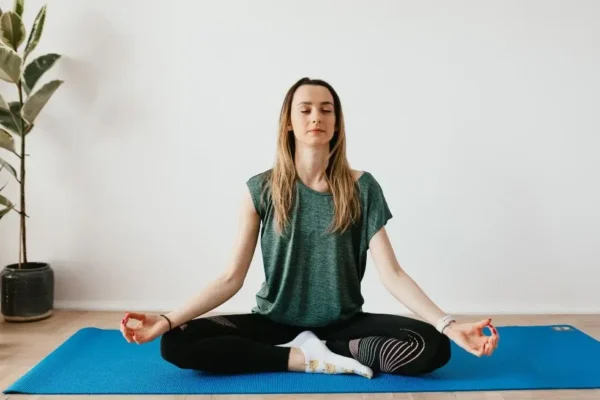
- Choose Your Position Sit in Sukhasana (easy cross-legged), Padmasana (lotus), or on a chair with feet flat on the floor. Keep your spine naturally erect — not stiff — and rest your hands on your knees in Gyan Mudra (index finger touching thumb).
- Close Your Eyes & Relax Take 2–3 deep natural breaths to settle. Relax your face, jaw, and shoulders completely. Bring your awareness to your abdomen.
- Inhale Gently (Passive) Take a calm, gentle inhalation through your nose. Do NOT force or deepen this breath — it should happen naturally, almost automatically.
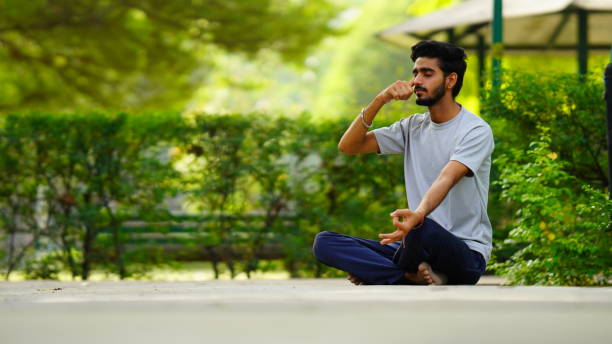
- Exhale Forcefully (Active) This is the core action: sharply contract your abdominal muscles inward (towards your spine) and push the air out through both nostrils in a short, strong burst. The exhalation should be audible — a “shhh” or “huh” sound.
- Repeat in Rhythm Immediately relax the abdomen and allow the next natural inhale. Then exhale sharply again. Build a steady pump-like rhythm: exhale-relax-exhale-relax. Aim for 1 stroke per second.
- Complete One Round Beginners: 20–30 strokes = 1 round. Intermediate: 50 strokes. Advanced: 100+ strokes. After each round, take 2–3 deep recovery breaths before starting the next.
- Rest & Observe After completing your rounds, sit quietly for 1–2 minutes with eyes closed. Observe the sensations — warmth in the belly, tingling, mental stillness. This recovery period is part of the practice.
⚠️ Common Beginner Mistakes to Avoid
- Forcing the inhalation (it should always be passive and natural)
- Moving the chest instead of the abdomen — the movement should come from the belly only
- Holding the breath between strokes — keep a continuous, flowing rhythm
- Practicing too fast before mastering the basic contraction movement
- Ignoring dizziness — if you feel dizzy, stop and breathe normally
Best Time & Recommended Duration
When and how long you practice matters significantly for results:
| Level | Strokes Per Round | Rounds | Total Time | Best Time |
|---|---|---|---|---|
| Beginner (Week 1–2) | 20–30 strokes | 1–2 rounds | 3–5 minutes | Morning, empty stomach |
| Intermediate (Month 1–3) | 50 strokes | 3 rounds | 8–10 minutes | Morning, empty stomach |
| Advanced (3+ months) | 100+ strokes | 5 rounds | 15–20 minutes | Morning or evening (4h after meal) |
The absolute best time to practice Kapalbhati is early morning, between 4 AM and 7 AM, on a completely empty stomach. The digestive system is at rest, the air is fresh, and the mind is naturally calm — all conditions that amplify the benefits.
If morning is not possible, you can practice in the evening, but ensure at least 4–5 hours have passed since your last meal.
Who Should NOT Do Kapalbhati
Kapalbhati is powerful — and that means it is not suitable for everyone. The following groups should avoid it or consult a doctor first:
🚫 Strictly Avoid Kapalbhati If You Have:
- Pregnancy — the abdominal pressure can be harmful
- High blood pressure (hypertension) — forceful breathing can spike BP
- Heart disease or recent cardiac surgery
- Hernia — abdominal pressure can worsen the condition
- Epilepsy or seizure disorders
- History of abdominal surgery — wait at least 6 months and get clearance
- Slipped disc or severe back problems
- Active menstruation — skip Kapalbhati during your period; resume after
- Gastric ulcers — the abdominal contraction can aggravate ulcers
- Glaucoma or eye pressure issues — the practice increases intraocular pressure temporarily
Kapalbhati Side Effects (And How to Prevent Them)
When done correctly, Kapalbhati is very safe. Side effects almost always result from incorrect technique, overexertion, or practicing despite contraindications:
| Side Effect | Most Likely Cause | What To Do |
|---|---|---|
| Dizziness / lightheadedness | Too many rounds too soon, hyperventilation | Stop, breathe normally, reduce intensity |
| Headache | Forcing the breath, high BP, dehydration | Stop practice, drink water, check BP |
| Dry mouth | Breathing through mouth (should be nose only) | Ensure mouth is closed throughout |
| Nausea | Practicing after a meal | Always practice on an empty stomach |
| Lower back strain | Poor posture, curved spine during practice | Sit against a wall for support initially |
| Increased anxiety | Practicing at too high intensity too quickly | Slow down, start with 10 strokes per round |
Pro Tips for Beginners
1. Learn the Abdominal Pump First
Before attempting a full session, spend 3–5 days just practicing the abdominal contraction without breathing. Place one hand on your belly and manually contract it inward, then release. This isolates the correct muscle group.
2. Combine With Anulom Vilom
Kapalbhati is most effective when followed by Anulom Vilom (alternate nostril breathing). The combination cleanses the system (Kapalbhati) then balances it (Anulom Vilom). This is the classic sequence practiced in traditional yoga.
3. Practice in a Well-Ventilated Space
Fresh air dramatically enhances the detoxification effect. Practicing outdoors near trees, or near an open window, gives your body access to higher-quality oxygen during the rapid breathing cycle.
4. Track Your 30-Day Progress
Keep a simple log: energy levels, digestion, skin quality, weight, and sleep quality. Most people see measurable changes within 2–3 weeks that they would miss without tracking.
💡 Expert Tip
The quality of your Kapalbhati matters more than the quantity. 50 sharp, focused exhalations with proper abdominal engagement will outperform 200 shallow, sloppy strokes every single time. Start slow, start right.
🌿 Kapalbhati Benefits at a Glance
Just 10 minutes of daily practice can deliver all of these:
Better DigestionGlowing SkinWeight LossLung StrengthStress ReliefMental ClarityCore ToningHair GrowthBetter SleepImmune BoostBlood Sugar ControlHormone Balance
Frequently Asked Questions (FAQs)
How many times should I do Kapalbhati in a day? ▼
Beginners should start with 1 round of 20 exhalations and gradually work up to 3–5 rounds. Advanced practitioners can do 100–200 strokes per session. Once daily in the morning on an empty stomach is ideal. Practicing twice a day is not recommended without guidance from a qualified yoga teacher.
Can Kapalbhati reduce belly fat? ▼
Yes. Kapalbhati involves rapid abdominal contractions that engage and tone the core muscles. Regular daily practice combined with a balanced diet can help reduce belly fat over time by boosting metabolism and burning calories. Studies suggest consistent pranayama practice supports fat oxidation, particularly around the abdominal region.
What is the best time to do Kapalbhati? ▼
Early morning on an empty stomach is the best time, ideally between 4 AM and 7 AM. The digestive system is at rest, the mind is naturally calm, and morning air quality is typically better. If morning practice is not possible, you can practice 4–5 hours after a meal in the evening — but avoid practicing at night close to bedtime as it is energizing.
Who should not do Kapalbhati? ▼
Pregnant women, people with high blood pressure, heart disease, hernia, epilepsy, a history of abdominal surgery, or a slipped disc should avoid Kapalbhati. Menstruating women should also skip practice during their cycle. Children under 12 should only practice under expert supervision. Always consult a doctor if you have any existing health condition.
What happens if you do Kapalbhati daily for 30 days? ▼
With consistent daily practice for 30 days, most people notice: improved digestion and reduced bloating (Week 1), better energy levels and clearer mornings (Week 2), noticeable skin improvement and reduced hair fall (Week 3–4), and improved lung capacity, mental focus, and reduced anxiety by the end of the month. Weight and metabolic changes become more apparent from Month 2 onwards.
Can Kapalbhati be done during periods? ▼
No. It is strongly advised to avoid Kapalbhati during menstruation. The forceful abdominal contractions can disrupt the natural downward flow of energy (apana vayu) and potentially worsen cramping, increase flow, or cause discomfort. Resume practice after your period ends.
Is Kapalbhati the same as Bhastrika? ▼
No — they are different. In Kapalbhati, only the exhalation is active and forceful while the inhalation is passive. In Bhastrika (bellows breath), BOTH the inhalation AND exhalation are forceful and equal. Kapalbhati is gentler and recommended for beginners. Bhastrika is more intense and should be learned after mastering Kapalbhati.